




























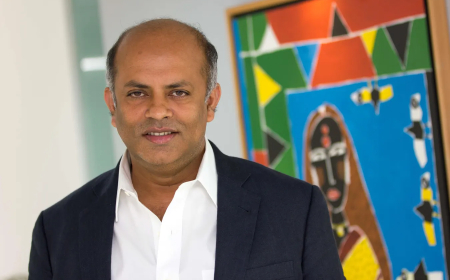











You Must Ask the Right Question
A trustworthy opinion poll requires a trustworthy method: the right questions, a sample that reflects the country’s diversity, strict data verification, and transparency about what the poll can and cannot reveal. Without these basics, no amount of promotion or visual appeal can turn a weak survey into meaningful data.

Looking to the Future, Not the Past
Too much of Bangladesh’s politics still focuses on history while its citizens repeatedly indicate that they are more interested in what will happen to the country in the coming years

Peace Is Still an Illusion For Palestine
Without accountability, restraint, and a genuine recommitment to Palestinian sovereignty, the truce will remain a mirage -- and peace a far cry









Peace Is Still an Illusion For Palestine
Without accountability, restraint, and a genuine recommitment to Palestinian sovereignty, the truce will remain a mirage -- and peace a far cry

The Nano-Loan Trap: Inside Bangladesh’s Fintech Fraud Boom
As Bangladesh embraces digital credit, scammers and unregulated apps are turning instant loans into instruments of fear -- exposing a system moving faster than its laws.

Is the Judiciary in Bangladesh Truly Independent?
True judicial independence cannot rest on the discretion of one office, no matter how elevated.









You Must Ask the Right Question
A trustworthy opinion poll requires a trustworthy method: the right questions, a sample that reflects the country’s diversity, strict data verification, and transparency about what the poll can and cannot reveal. Without these basics, no amount of promotion or visual appeal can turn a weak survey into meaningful data.
Looking to the Future, Not the Past
Too much of Bangladesh’s politics still focuses on history while its citizens repeatedly indicate that they are more interested in what will happen to the country in the coming years

Election Season is Upon Us
The activities of the last few days are dissipating the election-centric uncertainty. It is also clear from the behavior and actions of the political parties that they are taking the upcoming election seriously. Each party will make the utmost effort to earn the people's mandate according to its capacity. This is the biggest positive signal.





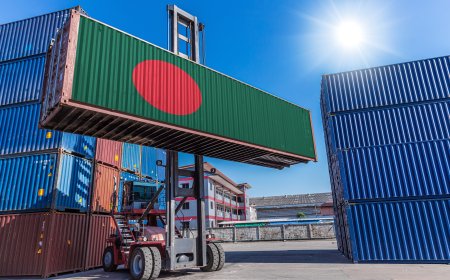
The Lesson of the Chittagong Port Deal
The average citizen is no longer buying the old nationalistic slogans. They are tired of inefficiency, corruption, and delay. They have reached a pragmatic conclusion: they do not care who owns the cranes; they care about how fast the ships turn around.
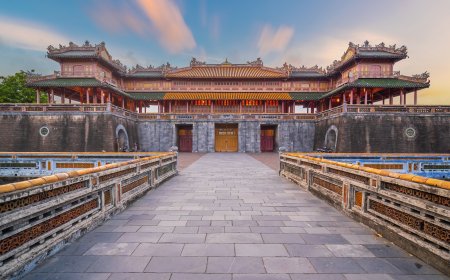
What Can We Learn From Vietnam?
Keeping India and Pakistan as the main mirrors will always make Bangladesh look respectable. but adding Vietnam to the frame as a benchmark is more meaningful.

The Trillion Dollar Question
The development of Chittagong Port is more than just a project; it is the key to Bangladesh's next wave of economic growth. If we cannot raise the FDI-GDP ratio from 0.3% to 2.5%, the ambition of becoming a trillion-dollar economy will stay just a dream.








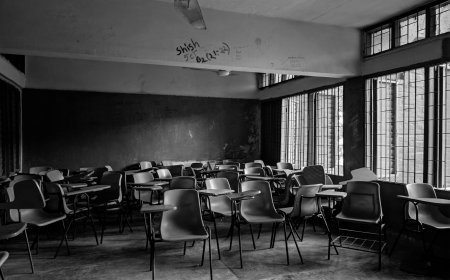
Education in Bangladesh: Force or Farce?
Too many young people complete the school years without the skills they need, families are financially squeezed, and the system still treats education more like fee collection than nation-building.
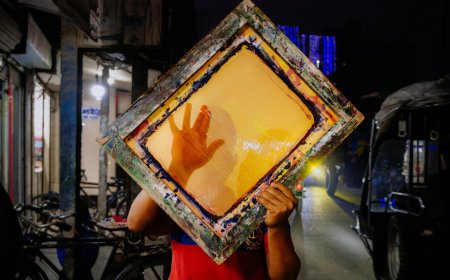
How an Unhealed Society Keeps Reproducing Discrimination
Ultimately, the effectiveness of any anti-discrimination law will depend not only on its clauses but on the political will to confront uncomfortable truths, reform abusive structures, and build a future in which neither static nor dynamic forms of discrimination can take root. Only then can Bangladesh move toward a truly just and rights-respecting society.

When the Joke's on Democracy
Here's the test: Can our leaders take a joke? Can they handle criticism without reaching for handcuffs? Can they distinguish between dissent and disinformation? Because if they can't, we haven't replaced one authoritarian regime with democracy. We've just swapped the faces. And that's not funny at all.









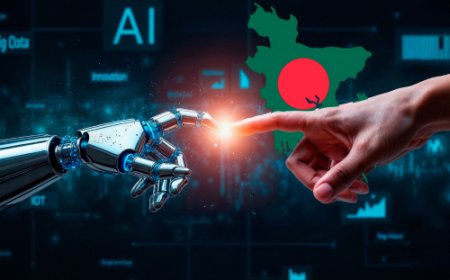
Will AI Fix Bangladesh’s Inequality or Automate It?
AI systems don't operate in a vacuum. They operate on people and amplify the society beneath them. That brings us to the uncomfortable question at the heart of Bangladesh's AI future: if we deploy these systems on top of our existing inequalities, do we fix them or automate them?

Bangladesh’s AI Policy Needs an Engine, Not Just a Map
A policy without execution mechanisms is not a plan. It is a press release.

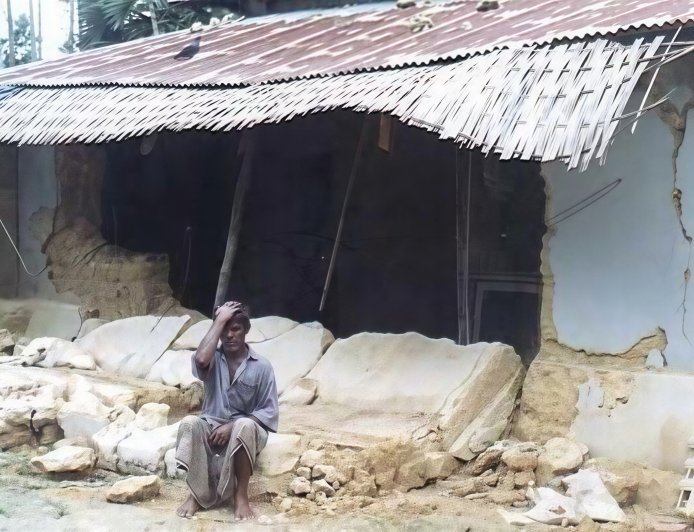
What Did the Dhaka Earthquake Mean?
The November 21 earthquake was unprecedented in our recent memory. What does this mean for the future of the city, how prepared are we, and what needs to be done now?