




































What Made America Great
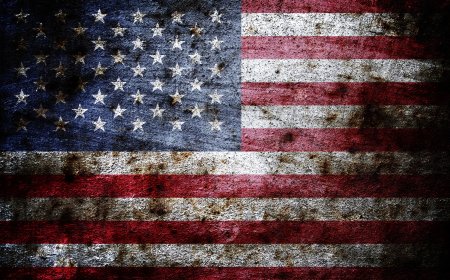
America rises not when it restricts, but when it welcomes. So will America again evolve as the land of many voices? Its future, and perhaps much of the world’s, depends on this answer. For America is not merely a country. It is a covenant.
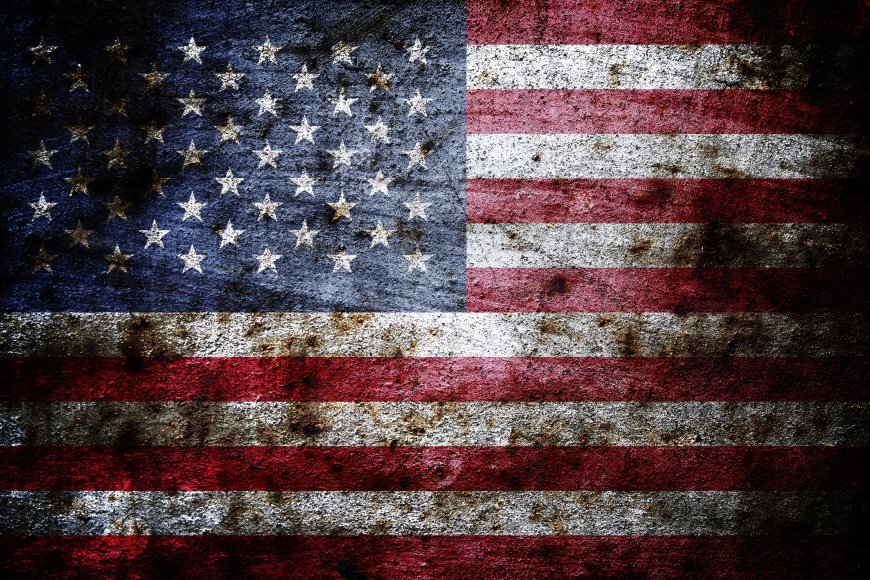
There are many ways to measure a powerful nation -- through its fleets, flags, wealth, or wars -- yet America has always been measured by something far more intangible: its promise.
A promise that the land belongs not to a single race, class, tribe, or genetic lineage, but to anyone bold enough to arrive with a dream.
For centuries, America’s greatness rested on a moral truth, immigrants built this country and continue to sustain its glory. Today, that foundational truth stands on trial.
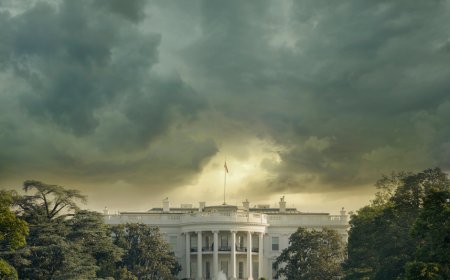
America is not an ancient civilization but a deliberate construction. Pilgrims fled absolutism, the Irish fled famine, Italians poverty, Jews persecution, Asians built railroads, Latin Americans toiled in fields, South Asians contributed to technology and academia, and enslaved Africans were kidnapped, trafficked, and exploited -- even building the White House itself.
The agony of these peoples formed the economic spine of early America. Today the US Census recognizes nearly 1,500 racial and ethnic identities, the widest spectrum in modern history. Most empires with such diversity collapsed. America survived because it embraced its immigrant DNA.
This is why hostility toward immigrants today is not only an ideological issue -- it is an existential one. There are few places where Christians, Muslims, Jews, Hindus, Sikhs, Buddhists, everyone can co-exist. Often uneasily and uncomfortably -- but freely.
Where else can millions protest a sitting president without fear of disappearance? Where can a refugee become a congresswoman, CEO, or cultural icon?
If immigrants were erased from American history, the country would be unrecognizable. Einstein reshaped physics. Elon Musk reinvented transportation, space travel, and AI. Sergey Brin co-founded Google. Madeleine Albright, once a refugee, became the first female Secretary of State. Joseph Pulitzer shaped journalism. Andrew Carnegie built the steel empire. I. M. Pei designed iconic American structures. Henry Kissinger helped architect foreign policy (for better or for worse).
These individuals did not merely succeed in America, they expanded what America could become.
Critics claim immigrants fuel crime, yet data shows the opposite. According to official statistics, US-born citizens are twice as likely to commit violent crimes, 2.5 times more likely to commit drug offenses, and over four times more likely to commit property crimes. Crime is not defined by ethnicity, only by action.
The world watches cautiously, knowing that America’s internal storms often become global tsunamis. The recent immigration crackdown may be legal yet contradictory to the nation’s founding spirit.
Yes, borders need security. Yes, criminality must be addressed. But research spanning 150 years consistently shows that immigrants have lower crime and incarceration rates than native- born Americans, including undocumented immigrants.
This is the American paradox. While the country must tend to its internal fractures, it cannot abandon its global role. A nation that helped build the UN, NATO, the IMF, the World Bank and the modern language of international human rights. America holds the world’s gold reserves because the world trusts it.
It commands alliances because others believed in its moral foundation.
This is not to deny that some immigrants violate laws, just as some citizens do. No society, including the US, produces perfect human beings. The question is not whether America needs order. The question is how America enforces order without severing the ideals that made it a global beacon.
A stronger vetting system? Yes. A safer border? Yes. A crackdown on criminal infiltration? Absolutely. But a blanket hostility towards immigrants threatens America’s stature, influence, and identity. You cannot be the global guardian of democracy while shrinking into a defensive shell.
One does not need American soil to live the American Dream. Its geography is spiritual, not territorial.
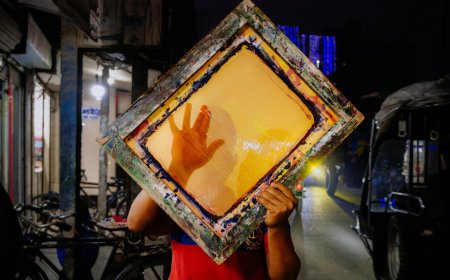
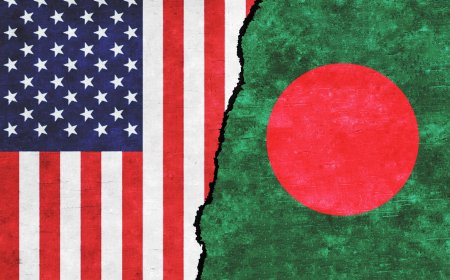
A child in rural Bangladesh, a girl in drought-stricken Africa, or a boy studying beneath a street-lamp in India may still embody the belief that origin does not define destiny.
The American Dream is not the privilege of passport holders. It is the inheritance of anyone who refuses to be measured by scarcity or skin tone. America preserves a global anthem of hope, dignity, and human possibility.
America rises not when it restricts, but when it welcomes. So will America again evolve as the land of many voices? Its future, and perhaps much of the world’s, depends on this answer.
For America is not merely a country. It is a covenant.
Its greatness lies not in uniformity but in its ability to hold contradiction, dissent and reinvention under one flag and still somehow move forward.
If America remembers that, the world will remain united and it will continue to lead the world. If it forgets, the world will eventually move on.
What's Your Reaction?