
































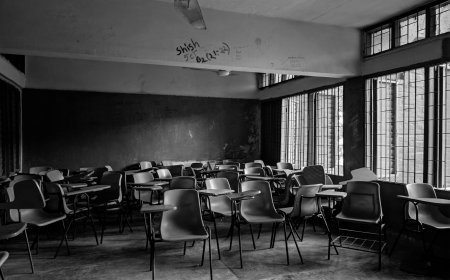
Too many young people complete the school years without the skills they need, families are financially squeezed, and the system still treats education more like fee collection than nation-building.
Ultimately, the effectiveness of any anti-discrimination law will depend not only on its clauses but on the political will to confront uncomfortable truths, reform abusive structures, and build a future in which neither static nor dynamic forms of discrimination can take root. Only then can Bangladesh move toward a truly just and rights-respecting society.

Here's the test: Can our leaders take a joke? Can they handle criticism without reaching for handcuffs? Can they distinguish between dissent and disinformation? Because if they can't, we haven't replaced one authoritarian regime with democracy. We've just swapped the faces. And that's not funny at all.

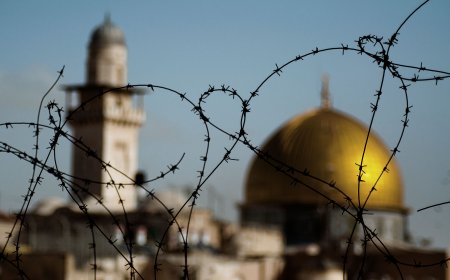
The arrest of Baul singer Abul Sarkar exposes a deeper struggle over who gets to define Bangladesh’s cultural and religious identity, portraying a growing state-backed exclusion of syncretic and minority traditions from the national narrative.
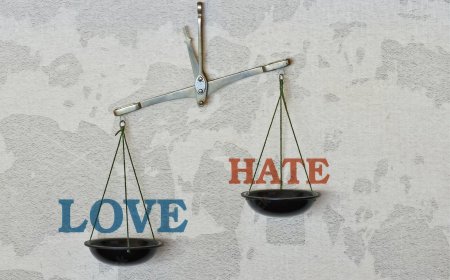
This emotional polarity is not irrational -- it is Bangladesh rediscovering its moral compass. It is the people reclaiming ownership of their history, their pride, and their right to choose who deserves their trust: Not through coercion, but through character.

Here is the cruel asymmetry that exposes the game. Hurt religious sentiment is always, unfailingly, something felt by the majority or by those who claim to speak in its name. No minority, no freethinker, no ordinary citizen can ever demand accountability for the trampling of their own emotions.

Across Nepal, Sri Lanka, Bangladesh, and far beyond, the message is clear: no one is above accountability. Corruption carries a heavy cost. Leaders who imagine a country belongs to a privileged circle will find themselves confronted by a generation unwilling to be silenced.

The King’s Party and the Queen’s party just perpetuate the cycle of dysfunction and corruption, while the people yearn for change. Into this vacuum step the Islamists. But the only change they can deliver will be to further divide us.

So yes, what Tangia did was wrong, absolutely no doubt. But let's not pretend this outrage is about justice. Justice would mean holding everyone to the same standard. This is about control. And we really need to talk about who we're controlling, and why.

If our leaders want to know where this road leads, they do not need to look far. Pakistan chose the path of appeasing extremists. The consequences have been catastrophic.

Fully 62% feel positive and hopeful about Bangladesh’s future. This is the hope that gives Bangladesh a second chance. But hope, must be met with policy, leadership, and delivery. When young people stop trusting the system, they change it.

The real challenge is separation: Can parties driven by faith transform national strength without narrowing citizenship to lines of belief?

If you attend these festivals, you owe it to yourself and to Dhaka to also step outside the gates. Don't be someone who celebrates local and artisanal only when it's packaged with a price tag and a velvet rope. Don't be someone who feels cultured because you paid for the privilege.
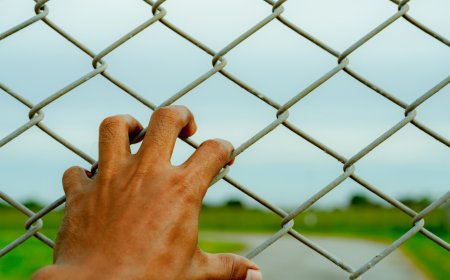
Until democracy regains its moral soul -- until citizens can question without fear and leaders can lose power without vengeance -- it will remain a performance, not a principle. And if this performance continues, one morning we will awaken to discover that democracy has quietly turned into its opposite.

The conventional view of politics is an old-fashioned journey