















































The India-Bangladesh Extradition Treaty allows either country to request extradition with an arrest warrant and a conviction. Procedurally, Bangladesh meets the threshold: Hasina has been convicted and sentenced. On paper, this gives Dhaka a strong case. But extradition is never just about procedure. It hinges on interpretation -- and political will.

In the end, this is not merely about the fate of one leader. It is about whether Bangladesh chooses a future built on due process and political inclusion, or one defined by courtroom theatrics and punitive exclusion. Right now, the scales are tilted dangerously toward the latter.

From five charges to two: The shifting charges in the Hasina trial

Amnesty concerns about cross-examination, defense preparation time, and structural weaknesses merit careful scrutiny. We must not dismiss them. However, they also need to be understood within context.

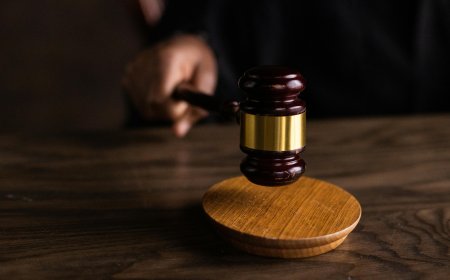
This verdict of the International Crimes Tribunal is not merely the conclusion of one case; it is the beginning of the journey toward a new Bangladesh -- a Bangladesh that will be founded on justice, human rights, and the rule of law.

Ending the death penalty and ensuring fair trials would not weaken the pursuit of accountability -- it would strengthen it. In doing so, Bangladesh’s long-awaited reckoning with the past could become the foundation of a more just, rights-respecting, and humane future.