

































A trustworthy opinion poll requires a trustworthy method: the right questions, a sample that reflects the country’s diversity, strict data verification, and transparency about what the poll can and cannot reveal. Without these basics, no amount of promotion or visual appeal can turn a weak survey into meaningful data.

Too much of Bangladesh’s politics still focuses on history while its citizens repeatedly indicate that they are more interested in what will happen to the country in the coming years
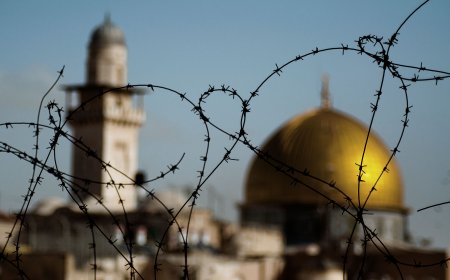
Without accountability, restraint, and a genuine recommitment to Palestinian sovereignty, the truce will remain a mirage -- and peace a far cry

The activities of the last few days are dissipating the election-centric uncertainty. It is also clear from the behavior and actions of the political parties that they are taking the upcoming election seriously. Each party will make the utmost effort to earn the people's mandate according to its capacity. This is the biggest positive signal.

On one side: growing inequality; on the other: a deep feeling of elite-people divide; and in the middle: optimism that the future can still be changed. When these three things come together, they create the classic soil for populism.

As Bangladesh embraces digital credit, scammers and unregulated apps are turning instant loans into instruments of fear -- exposing a system moving faster than its laws.
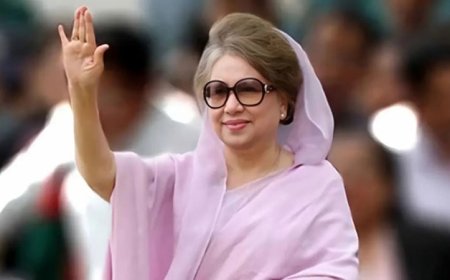
Khaleda Zia’s mixed record of democratic contribution, confrontation-driven politics and unresolved party succession continues to influence the country’s search for renewed leadership
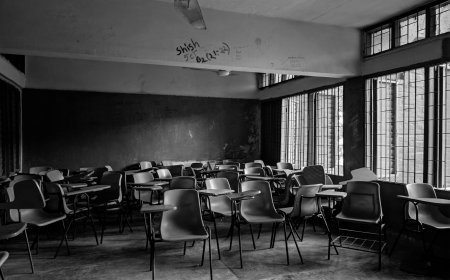
Too many young people complete the school years without the skills they need, families are financially squeezed, and the system still treats education more like fee collection than nation-building.
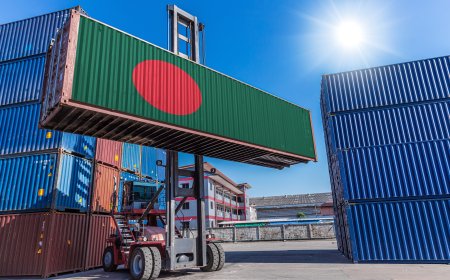
The average citizen is no longer buying the old nationalistic slogans. They are tired of inefficiency, corruption, and delay. They have reached a pragmatic conclusion: they do not care who owns the cranes; they care about how fast the ships turn around.

Bangladesh’s post-Hasina politics is marked by a fierce contest between old elites and rising aspirants vying to fill newly opened power spaces. This debate is simply one front in this broader elite struggle reshaping the country’s political future.

The sooner our politics and our voters align with this demand for structural change, the sooner Bangladesh's power structure reforms will begin their sustainable journey. Mamdani's victory kindles our hope that in the near future people-oriented politics will also shine in our land.
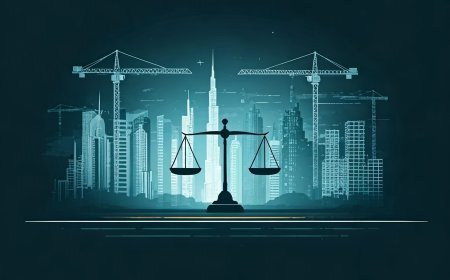
Ultimately, the effectiveness of any anti-discrimination law will depend not only on its clauses but on the political will to confront uncomfortable truths, reform abusive structures, and build a future in which neither static nor dynamic forms of discrimination can take root. Only then can Bangladesh move toward a truly just and rights-respecting society.

Here's the test: Can our leaders take a joke? Can they handle criticism without reaching for handcuffs? Can they distinguish between dissent and disinformation? Because if they can't, we haven't replaced one authoritarian regime with democracy. We've just swapped the faces. And that's not funny at all.
It is unfortunate that most civil society organizations have failed to recognize that these reforms could open new pathways for them -- creating fresh opportunities to empower citizens and strengthen the accountability of state institutions, ultimately shaping their own future governance agenda.

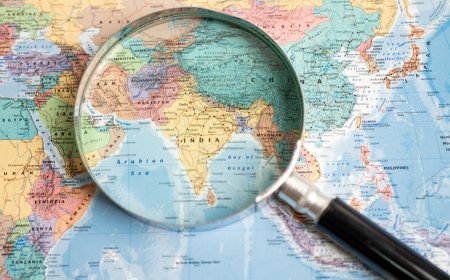
Keeping India and Pakistan as the main mirrors will always make Bangladesh look respectable. but adding Vietnam to the frame as a benchmark is more meaningful.
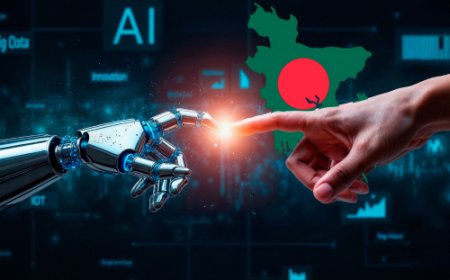
AI systems don't operate in a vacuum. They operate on people and amplify the society beneath them. That brings us to the uncomfortable question at the heart of Bangladesh's AI future: if we deploy these systems on top of our existing inequalities, do we fix them or automate them?