


































From five charges to two: The shifting charges in the Hasina trial

Stop doomscrolling and ignore the online doomsayers. We are on course for a peaceful democratic transition.

If the February 2026 election is to be festive, free and fair, we will need a campaign so that Bangladeshis believe that their votes will count and their voices will be heard.
The UN response to the Hasina verdict affirmed the moral and factual weight of the case, acknowledged the reality of mass state violence, and confined its criticism to a doctrinal anti-death-penalty stance it applies uniformly in every country.

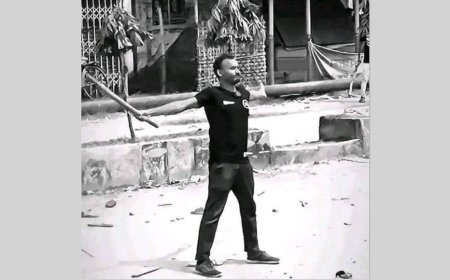
His politics was never abstract; it grew from lived experiences of precarity
The judgment of the Tribunal is therefore not only a sentence against one person; it is a declaration that no one, however powerful, stands above the law of the Republic. The arc of justice has finally bent toward Bangladesh.

Bangladesh's goal should be to make our own decisions while skillfully using multiple major powers to serve our national interests. This approach is called intelligent dependence -- we remain dependent in some ways, but we control how that dependence works.

Ending the death penalty and ensuring fair trials would not weaken the pursuit of accountability -- it would strengthen it. In doing so, Bangladesh’s long-awaited reckoning with the past could become the foundation of a more just, rights-respecting, and humane future.

By binding the concept of reform so tightly to the consensus commission's existence, and suggesting that the commission's end would spell the end of reform itself, we have propagated a dangerous fiction: that meaningful reform requires suspending normal democratic politics and governing through unelected technocrats.

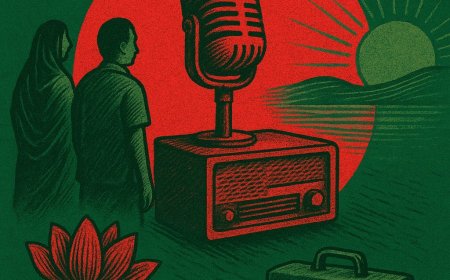
The RT interview came in the midst of a concerted public relations blitz by Hasina and her supporters, which included a number of interviews from the deposed Prime Minister to friendly Indian media outlets.

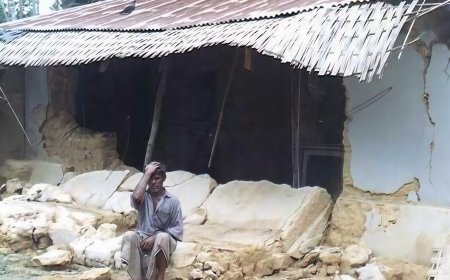
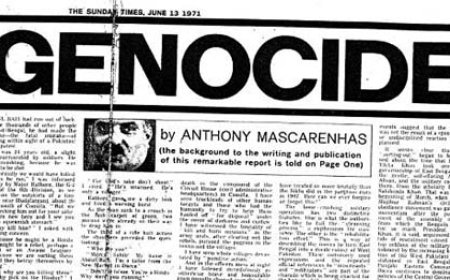
The Bhola cyclone and its aftermath opened up space for a critique of the West Pakistan government and brought into stark relief the issues of disparity and negligence that would lead to war and independence the following year.

The NYC mayor-elect did what Bangladeshi politics refuses to do: Connect democratic renewal to economic dignity. He showed that when people believe their material lives will improve, they don’t hesitate to show up.

The July Charter is quite clear: The proposed Upper Chamber will not have the power to block legislation, and the question of leading to a hung parliament does not even arise.

The real victory of any revolution lies not in the fall of an old regime but in the birth of a culture that resists repeating its mistakes. Bangladesh’s revolution will have meaning only if it leads to a politics that listens, includes, and endures.

November 1975 was one of those months when, to paraphrase Lenin, decades happen. Fifty years on from that month of coup and counter-coup, we can hope that the guns have been forever silenced in Bangladesh, and that we will never again see rule from the cantonment.