









































Agents of Hope or Architects of Chaos
When justice is replaced by selective rage, even agents of hope risk becoming architects of chaos -- threatening the very foundation of the New Bangladesh.


When and if mobs replace justice, the promise of New Bangladesh becomes a dream deferred once more
In today’s Bangladesh, few forces are as corrosive to democracy, human rights, and the rule of law as mob justice. Whether it is an angry crowd attacking a petty thief, religious fanatics torching temples over false blasphemy rumors, or politically charged revolutionary mobs taking to the streets, the result is the same: the collapse of due process and the rise of chaos.
Justifying some mobs as revolutionary while condemning others as extremist is deeply inconsistent with the vision of a New Bangladesh. The Chief Adviser has reminded the nation repeatedly that there can be no compromise on justice and the rule of law. That principle must apply equally, regardless of who is in the crowd or what flag they are waving.
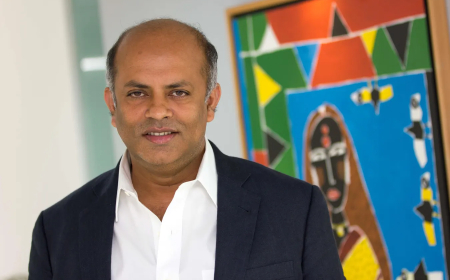
Mahfuz Alam, Adviser to the Ministry of Information and Broadcasting, has long stood for truth, justice, and constitutionalism. But when one begins to excuse a group as revolutionary while condemning another as extremist, it gives everyone license to justify their own violence. Vigilantism is like fire. Once lit, it spreads uncontrollably. If the law becomes optional for some, it becomes meaningless for all.
Drawing Lines: Mahfuz Between Justice and Justification
In September 2024, Mahfuz was unequivocal. Attacks on shrines, Sufi institutions, and religious minorities were acts of sectarian mob violence. He condemned them clearly, identifying takfiri extremists who declare other Muslims apostates and seek to hijack both Islam and Bangladesh’s pluralism.
By February 2025, his language sharpened. Amid rising street violence, he issued a stark warning:
“Stop this mob or you will be treated as devil.”
There was no ambiguity. Mob meant danger. Mob meant destabilization. Even the Touhidi Janata, typically avoided in political discourse, was directly criticized. It was a moment of moral clarity.
Then came July. Suddenly, a shift. Mahfuz began distinguishing between aimless vengeful mobs and revolutionary students and citizens who led the July uprising. He defended the latter, portraying them as disciplined democratic actors seeking systemic change. Not vigilantes but agents of hope.
But here lies the contradiction.
You cannot bring about systemic change by undermining the system of law and order. And as for being agents of hope, if that hope means taking justice into your own hands on your own terms, then the hope of a New Bangladesh dies right there.
The future we are trying to build cannot be rooted in selective legality. A nation where justice is optional or worse, personalized, is not a democracy in transition. It is a republic in retreat.
In February, Mahfuz rightly condemned extrajudicial action regardless of motive. By July, he appeared to excuse it, provided the actors were aligned with the so-called right side of history. That is a subjective judgment. And subjectivity is the enemy of justice.
The Moral Hazard
Creating two categories of mobs, good mobs and bad mobs, opens the door for everyone to claim legitimacy for their violence.
Today it is revolutionaries. Tomorrow it is religious vigilantes. Next week, it could be political partisans or rogue security forces acting as judge and jury.
Drawing neat lines between people’s action and mob rule is not just naive. It is dangerous. Once the law is suspended by moral exception, anyone can claim their violence is just. Justice breaks down not because of one crowd, but because too many are told their violence is righteous.
Mob Violence, Online Instigation, and the False Promise of Revolution
Mob justice is a global phenomenon, often fueled by misinformation and institutional breakdown. But in Bangladesh, it has become especially acute due to a deep crisis of trust in the justice system.
Mob violence in Bangladesh is escalating, driven not just by local frustrations but by online provocateurs living comfortably abroad. These activists, often based in Europe or North America, call for destruction in the name of justice while enjoying the very peace and stability they seek to disrupt in Bangladesh.
They urge students and citizens to rise up, to burn property or target individuals, portraying it as people’s power or revolution. But make no mistake. Violence is not democracy, and mob justice has no place in the New Bangladesh we are striving to build.
Their slogans may echo our hopes for reform and dignity, but their methods undermine the very institutions needed to realize those goals. If you follow their unlawful calls to action, it is you, not them, who will face arrest, prosecution, and prison. While you sit in jail, they will be live streaming from a Paris apartment or a New York studio.
Let us not mistake chaos for change. The New Bangladesh must be built on justice, not rage. On rule of law, not remote controlled vigilantism.
Common Patterns
Mob justice tends to follow certain patterns across countries and contexts. A major trigger is widespread distrust in law enforcement, which leads people to take matters into their own hands. Misinformation, often spread rapidly through social media, can incite violence within minutes. Religious, political, and ethnic grievances frequently fuel mob behaviour, making it harder to contain. Combating this requires a combination of legal reform, civic education, and consistent enforcement of the law. Once mob violence becomes normalized, it is extremely difficult to reverse.
One clear lesson stands out from global experience. Speed and clarity save lives. The first few minutes of a mob incident are critical, and only rapid police response, clear public messaging, and swift legal action can prevent escalation.
We Must Build a Bangladesh Where No One Is Above the Law
We do not need new slogans. We need action. The path forward requires urgent and coordinated effort. Bangladesh must adopt a zero tolerance approach to all mob violence without exception. Law enforcement needs real time tools and the political independence to act swiftly. Trusted local figures such as religious leaders, educators, and community organizers should form networks to intercept and counter false rumours. Special courts dedicated to mob related cases must be set up to ensure justice is both swift and credible. Finally, a powerful education campaign must be launched to teach citizens that mob justice is not an answer but a threat to the New Bangladesh we are trying to build.
Above all, we need moral clarity from our leaders. Mahfuz Alam, who commands public respect, must hold the line. He must say clearly and consistently that no one is above the law. Not in rage. Not in faith. Not in revolution.
Mob violence thrives where institutions fail and double standards persist. But Bangladesh is not helpless. We are in a historic transition, and what we permit today will define our political culture tomorrow.
If we want to build a truly democratic Bangladesh, we must stop allowing violence to masquerade as virtue. Let this be the moment we choose law over rage, justice over vengeance, and principle over populism.
When and if mobs replace justice and the rule of law, the promise of New Bangladesh becomes a dream deferred once more.
What's Your Reaction?